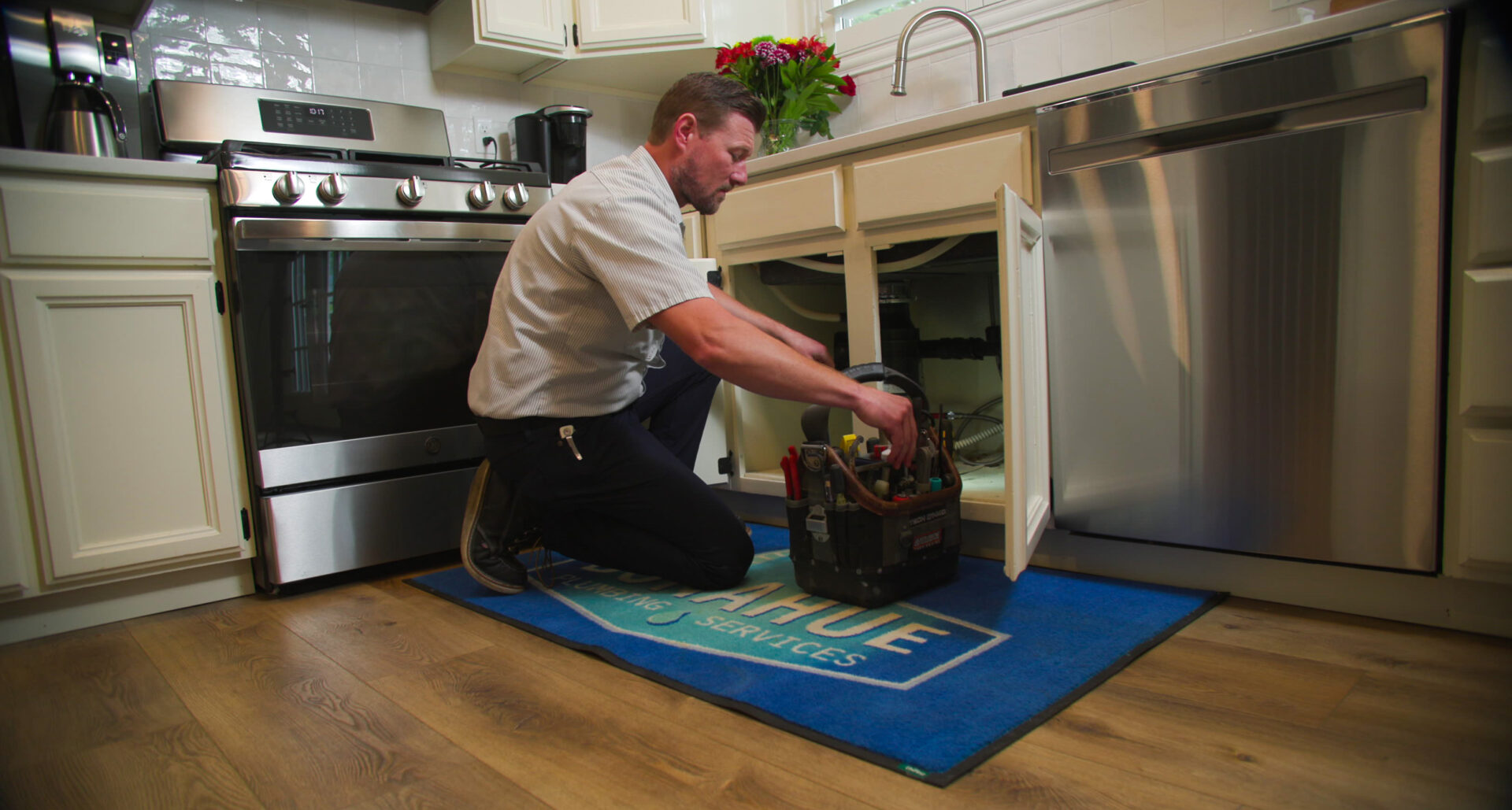




Fixing a smelly garbage disposal starts with knowing what causes the odor and how to remove it fast. That sour, funky smell near your kitchen sink usually comes from trapped food, grease buildup, and bacteria inside the grinding chamber. The good news is that most kitchen sink odor problems are simple to solve. At Donahue Plumbing Services in Herriman, UT, we help homeowners across the Salt Lake City area keep their disposals clean and fresh. Below, we share the same cleaning and prevention methods we recommend to our own customers, plus clear signs it's time to call a plumber.
Why Does My Garbage Disposal Smell?
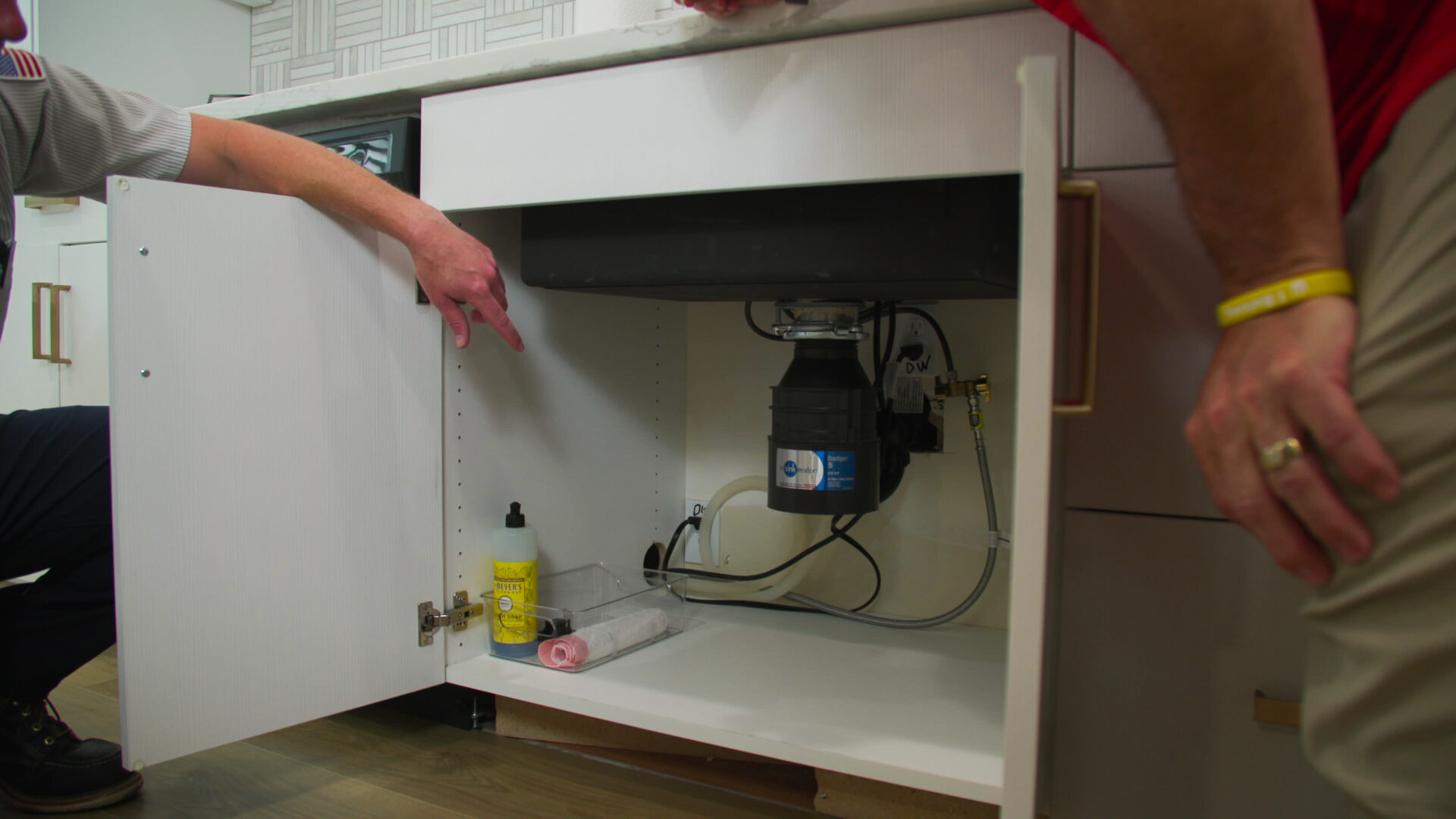
Garbage disposal smells usually come from trapped food particles, grease buildup, or bacterial growth inside the grinding chamber, on the splash guard, or in nearby drain lines. Over time, small bits of food stick to the blades and rubber flaps, and moisture helps bacteria and mold grow. That combination creates the strong kitchen sink odor you notice every time you walk past.
Here are the most common causes we see in homes:
- Food debris stuck on blades, chamber walls, or the splash guard.
- Grease and fats coating interior surfaces and pipes.
- Bacterial or mold growth on damp food residue.
- Drain or vent issues if the odor smells strong and sewer-like.
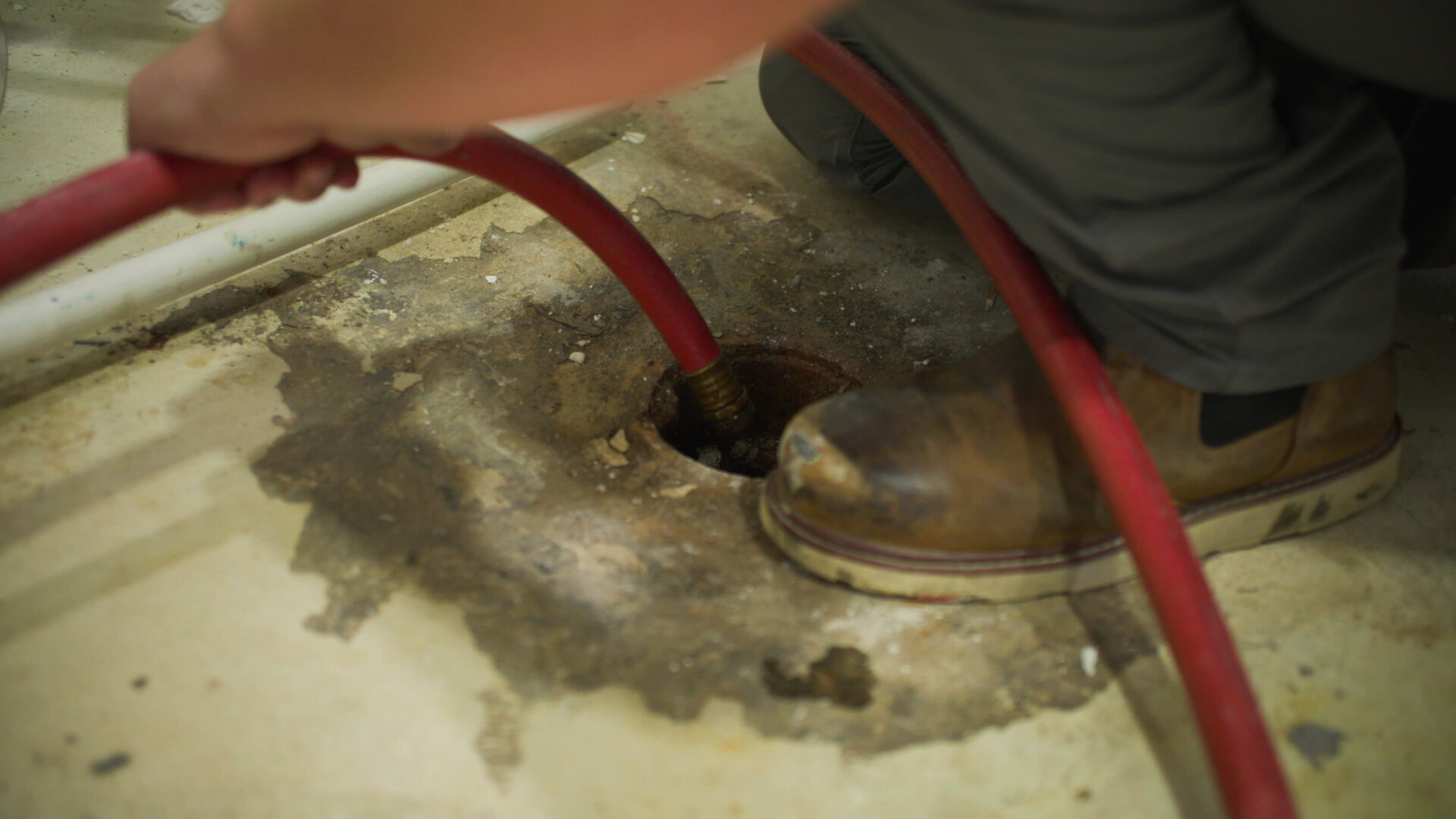
Most of these problems respond well to regular cleaning. But a persistent sewage smell can point to a deeper plumbing issue, such as a clogged main drain or a vent problem. If a good cleaning doesn't fix it, the source is likely past the disposal itself.
How to Get Rid of Garbage Disposal Smell
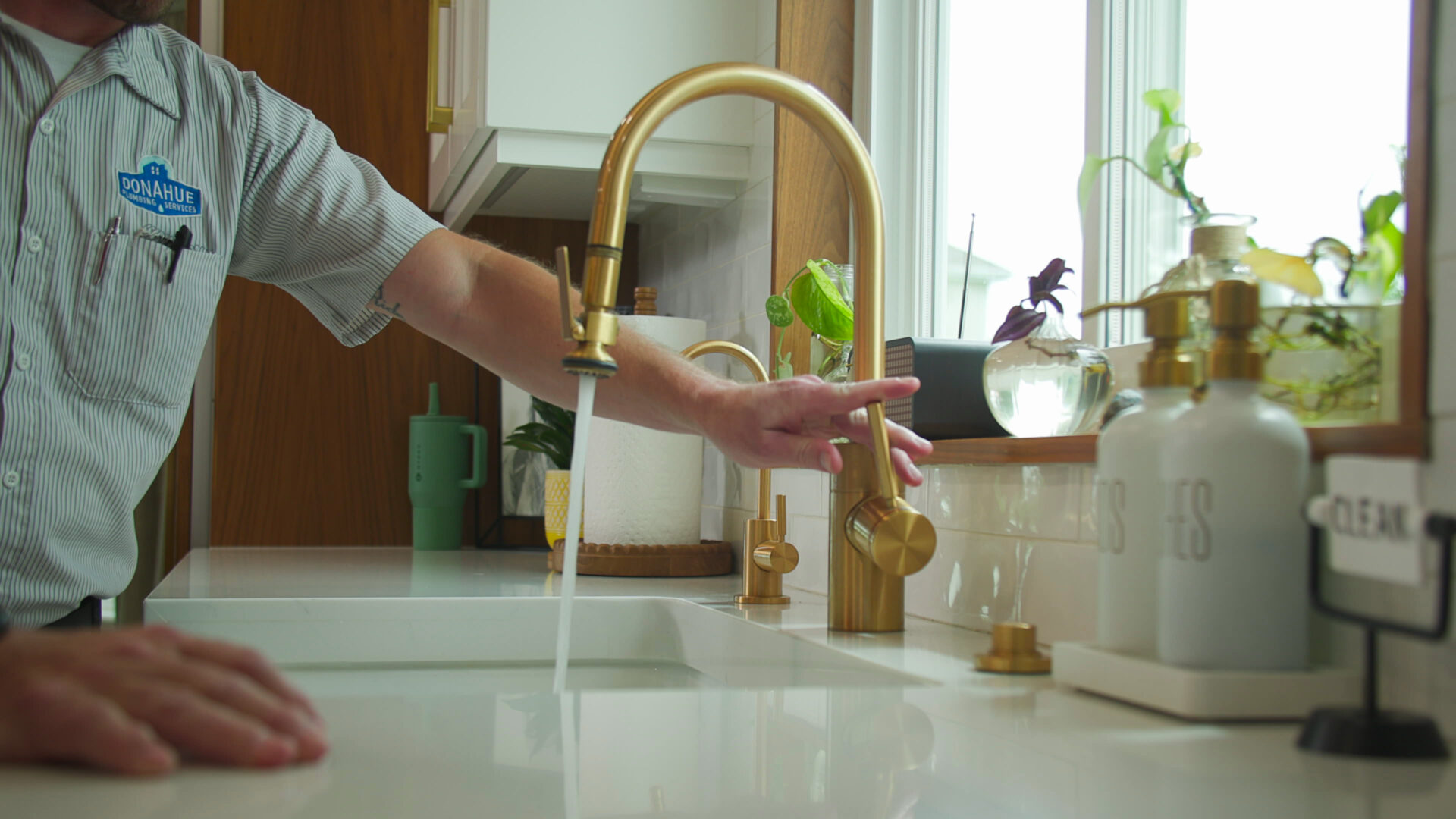
You can remove most garbage disposal smells with items you already have at home. Start by running hot, soapy water through the disposal for 30 to 60 seconds to flush out loose debris. Then scrub the rubber splash guard with dish soap and a small brush, since food and bacteria collect on its underside. If your splash guard is removable, take it out for a deeper clean.
Always turn off the power at the breaker before you reach inside the unit. Never put your hand near the blades while it can run. These two steps handle the basics, and the methods below target tougher odors.
Baking Soda, Vinegar, Ice, and Salt Scrub
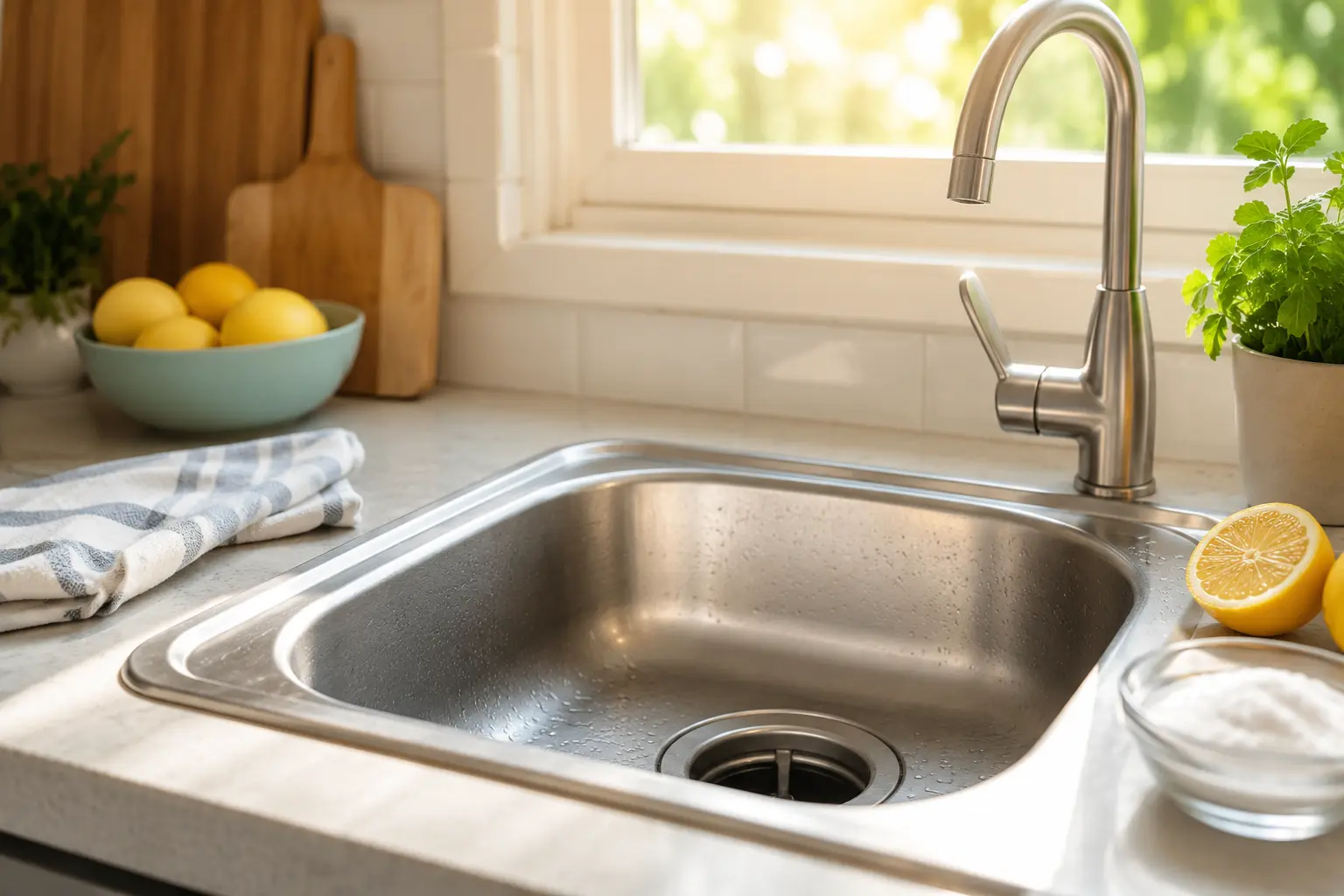
Baking soda and vinegar make a simple, natural cleaner that kills odor-causing bacteria. Pour ½ cup of baking soda into the disposal and let it sit for 15 to 30 minutes. Add 1 cup of white vinegar and let the mixture fizz for 10 to 15 minutes, then flush it with hot water.
Next, grind a few ice cubes with a handful of coarse salt for 20 to 30 seconds. The ice and salt scour the blades and chamber walls to knock loose stubborn buildup. For extra odor-fighting power, freeze ice cubes made with equal parts water and white vinegar.
Citrus Peels, Boiling Water, and Commercial Cleaners
Citrus peels leave your disposal smelling clean and fresh. Drop lemon, lime, or orange peels into the disposal and run cold water while the blades break them down. The natural oils act as a deodorizer and add light cleaning at the same time.
For grease that clings to the interior, follow with boiling or very hot water to dissolve the residue. Adding a little dish soap to the hot water helps break down grease even more. If odors keep coming back, use a commercial disposal cleaner, such as branded foaming tablets, and follow the label directions for regular deodorizing.
How to Prevent a Smelly Garbage Disposal
The best fix for a smelly disposal is prevention. What you put down the drain matters most. Avoid pouring grease, oil, and fats into the disposal, because they cool, harden, and cause clogs and odors. Also skip pasta, rice, fibrous foods like celery, bones, and coffee grounds, since these are common trouble items.
Run cold water before, during, and after you use the disposal, and let the unit run a few extra seconds to clear everything out. Feed smaller portions instead of overloading it at once. These simple habits keep food from building up and reduce kitchen sink odor over time.
Make cleaning part of your weekly routine. Grind ice and salt, add baking soda and vinegar, and finish with citrus peels once a week. Pour boiling water down the drain monthly to break up grease. A few small actions keep your disposal running clean and your kitchen smelling fresh.
When to Call a Professional Plumber in the Salt Lake City Area
Call a plumber when the smell stays after several thorough cleanings. A lingering odor often means the source is deeper in your drain or vent lines, not the disposal itself. This is common in older homes across Herriman, Riverton, and South Jordan, where aging pipes and hard-water buildup create hidden problems.
Other warning signs include a disposal that clogs, drains slowly, leaks, or makes grinding or humming noises. These point to a mechanical failure or a blockage that DIY cleaning won't fix. Ignoring them can lead to costly water damage or full disposal replacement.
At Donahue Plumbing Services, we have served the greater Salt Lake City area since 1982. Our licensed and insured team diagnoses the real cause of the odor and repairs it right the first time. We handle disposals, drain cleaning, and leak detection, so you get a lasting solution instead of a temporary patch.
Keep Your Kitchen Fresh for the Long Run
A clean garbage disposal starts with good habits and simple weekly care. Baking soda, vinegar, ice, salt, and citrus handle most kitchen sink odor problems, and mindful use keeps buildup away. When the smell won't quit, that's your sign to call in a pro. Reach out to Donahue Plumbing Services in Herriman, UT, and we'll help you keep your kitchen fresh and your plumbing working right.